This non-exhaustive list shows some of the software I coded. I guarantee that there is no virus in any file (unless someone hacked into the web server and modified the executables without me noticing).
Your antivirus may still complain because the programs are not digitally signed (just ignore the warning).
CPSim
CPSim is a versatile C++ 2D/3D Finite Differences Time Domain (FDTD) electromagnetic wave simulator
(iterating Maxwell's Partial Differential equations over a grid).
Compared to existing (and more feature-rich) software such as MIT's reference simulator MEEP, CPSim has three distinctive features:
An abitility to model arbitrarily dispersive (including gain) materials by means of accepting dielectric functions modeled as a sum of complex pole-residue pairs.
These can be obtained from experimental measurements using a method named vector fitting (credit goes to Dr. Han Lin
for first suggesting to use vector fitting within FDTD in his PhD thesis). Thanks to the pole-residue model, it is possible to run ultra-wide-band simulations (the whole visible spectrum or even more in a single simulation).
A real-time visualization of the ongoing simulation (able to display energy and fields).
Full GPU acceleration as an option (CPSim can run on CPUs and GPUs).
Real-time visualization of the ongoing simulation is a key aspect of CPSim: it allows the user to stop a simulation early if something is not going well (like, bad limit conditions or sources).
Moreover, visualizing things is a really great way to understand the underlying physics.
CPSim builds on a C++ game engine I have been building for years (which notably includes widgets and OpenGL 3+ acceleration).
The visualization aspect is not resource-taxing due to full hardware acceleration offered by the engine.
Some FDTD simulations executed on CPSim:
1D photonic crystal with a cavity containing a gold nanoparticle,
almost monochromatic wave at cavity frequency. The cavity is tuned to optimize interactions with the nanoparticle.
The movie shows the instantaneous electric energy in the structure.
2D photonic crystal (left: perfect, middle: with a avity, right: with a cavity containing a gold nanoparticle),
almost monochromatic wave at cavity frequency. The cavity is tuned to optimize interactions with the nanoparticle.
The movies show the instantaneous electromagnetic (electric+magnetic) energy in the structure.
CPSim download link (installer - Windows only, early beta version): here
Fractor
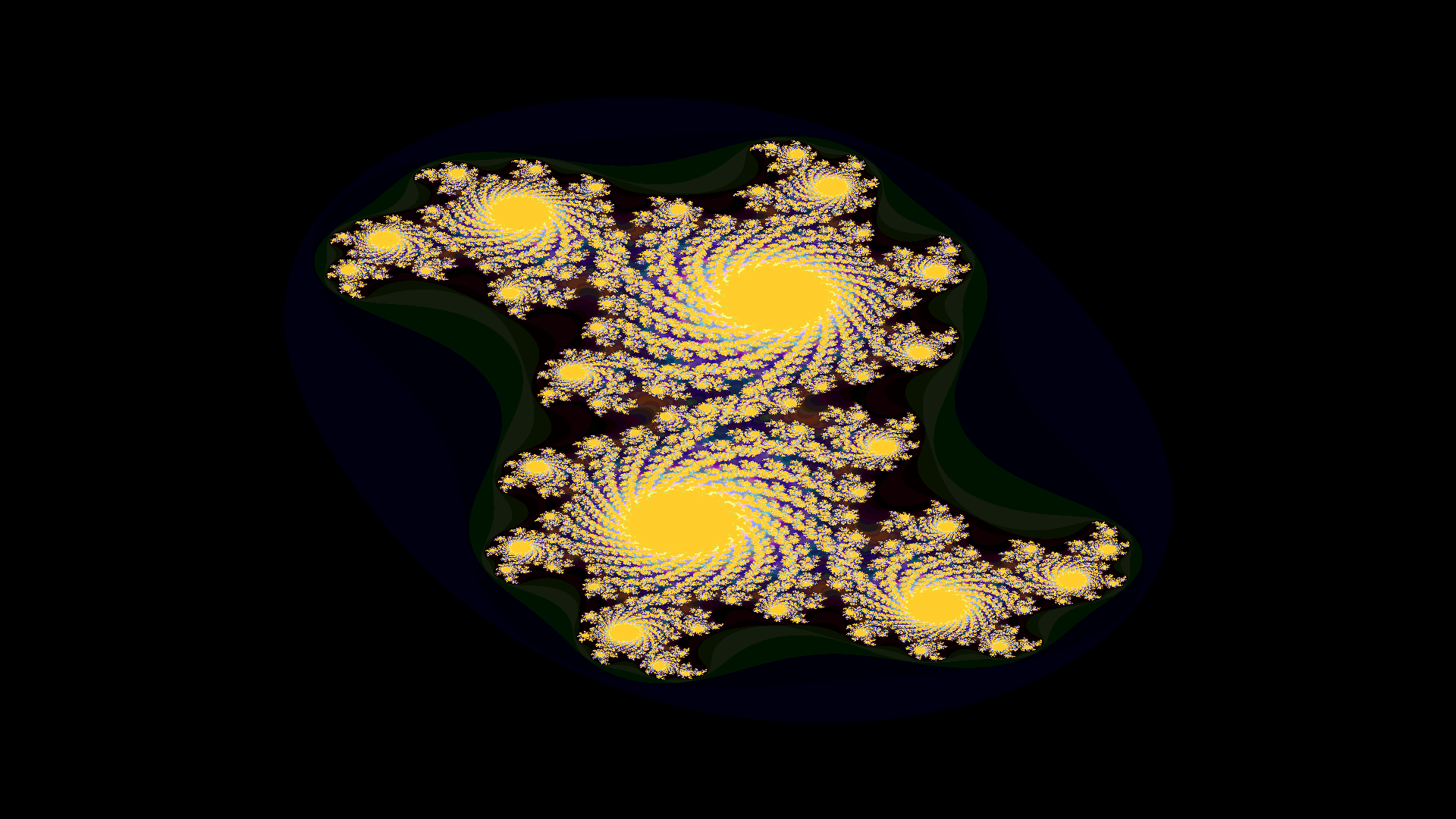
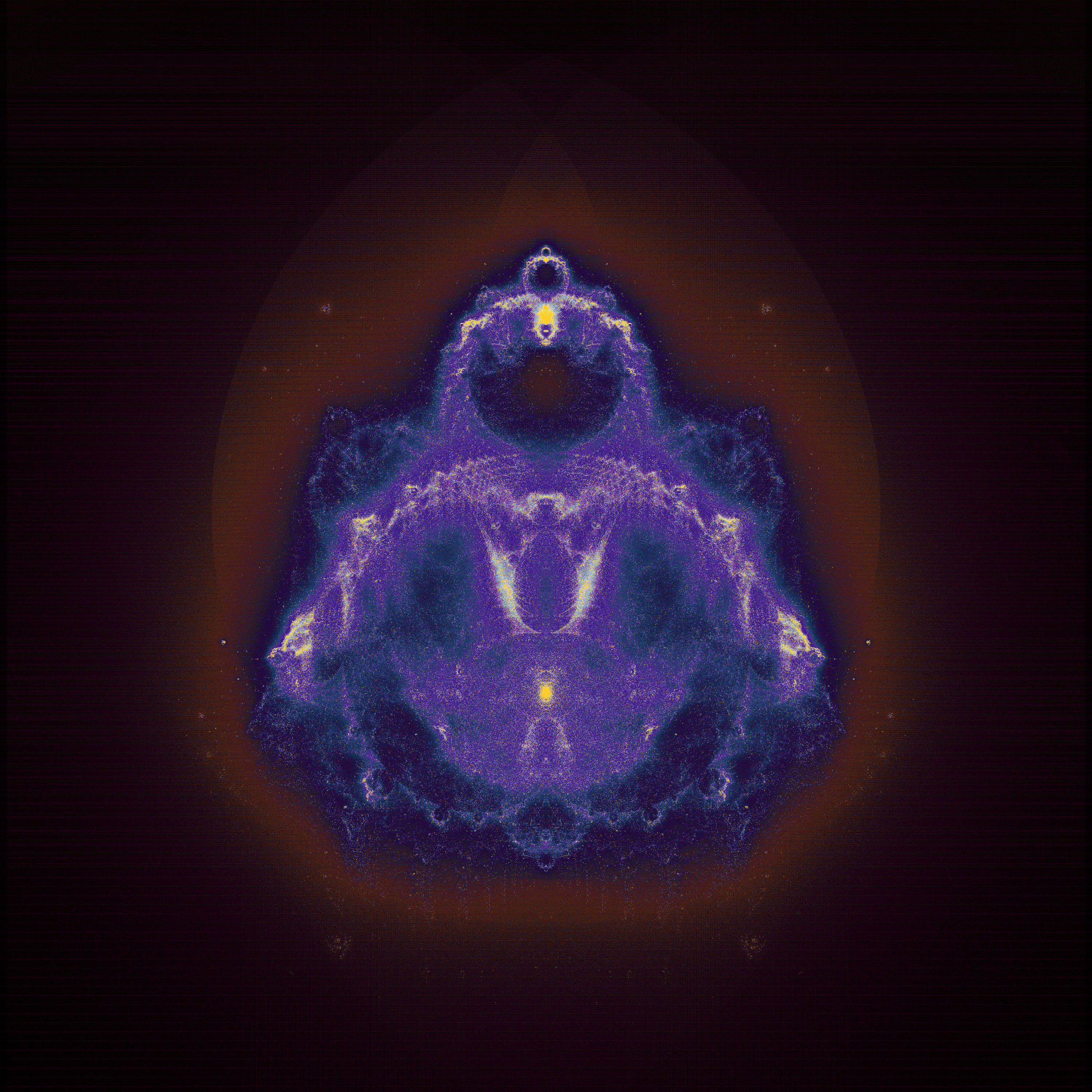
Fractor is an extremely simple 2D fractal (Mandelbrot, Julia
and their variants such as the Buddhabrot) explorer coded in C++ (core) and Visual Basic (interface).
One of its distinctive features is the generation of semi-random colorscales to represent depth or iterations.
Fractor was never intended to be realeased as a "serious" program, and I did not write any documentation for it.
However, the GUI is pretty self-explanatory, so that you may still find your way through.
If you really want to draw fractals, you may prefer a more elaborate fractal explorer such as ChaosPro.
Here are some fractals generated with Fractor (click to get an HD version)
Fractor download link (installer - Windows only, early beta version): here
DStereo
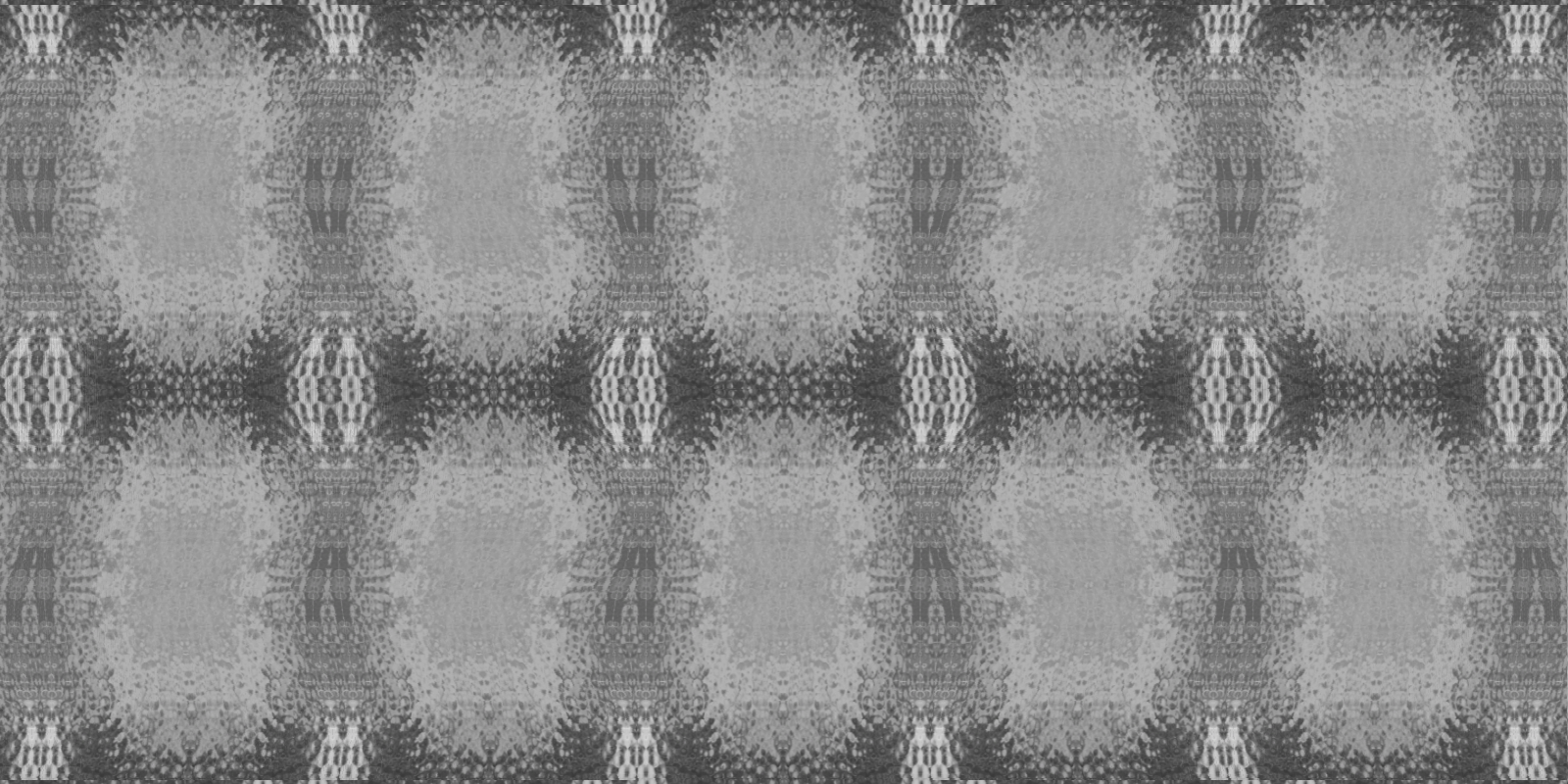
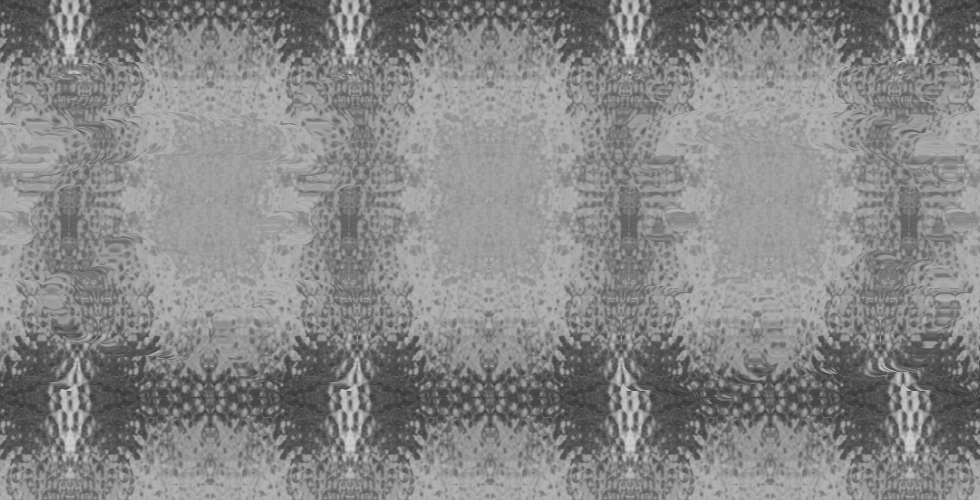
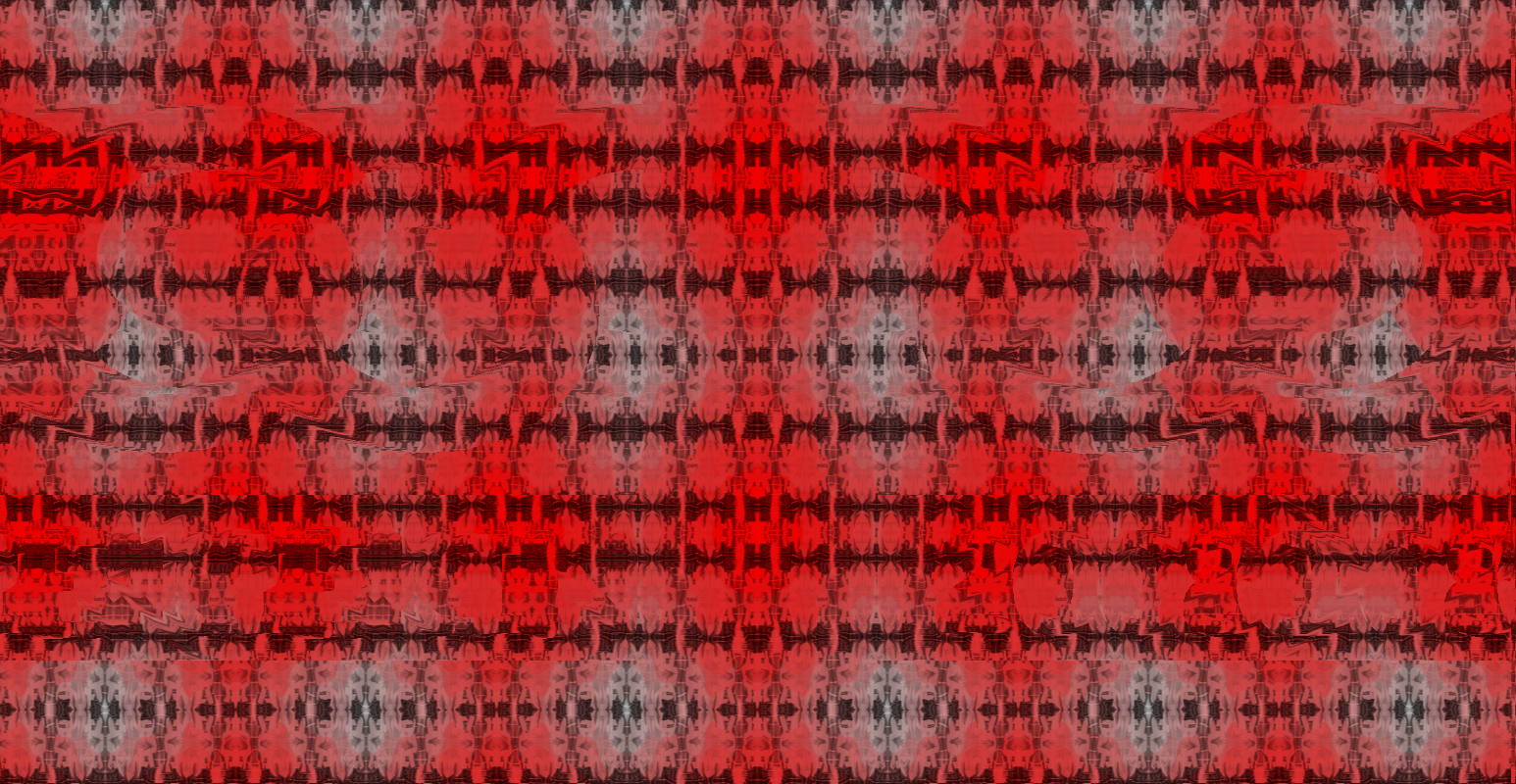
DStereo is a simple single-image stereogram (or autostereogram) rendering software coded in C++ (core) and Visual Basic (interface).
DStereo can render stereograms with random or predefined patterns, for parallel- and cross-eyed vergence (see this Wikipedia page).
It uses heavy antialiasing to increase the number of visible depth levels in an image. I wrote some documentation for this project back in 2007 (included in the installer), but it is in French.
Here are some single-image stereograms generated with DStereo (click to get an HD version) (all three images are designed for parallel vergence but the first one can be seen with reversed depth using cross-eyed vergence).
DStereo download link (installer - Windows only, early beta version): here